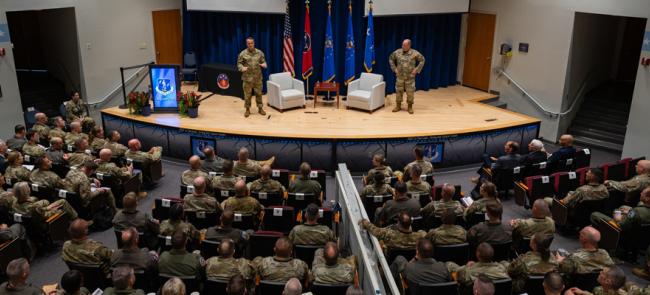
The acting director of the Air National Guard hosted ANG wing commanders from across the nation April 29-30 to discuss readiness and how to bring the future faster at the annual Wing Leader Fly-In at McGhee Tyson Air National Guard Base in Tennessee.
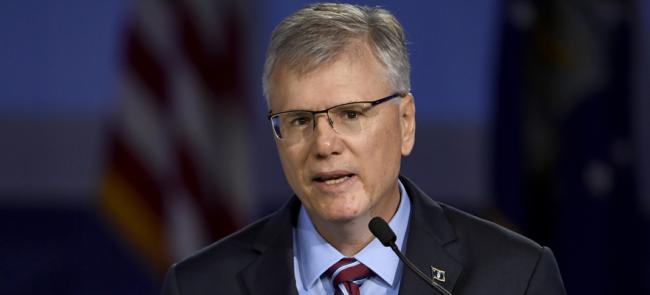
In his most high-profile speech since becoming Air Force secretary in May, Troy Meink emphasized familiar themes — the necessity to modernize, the need to perfect readiness, and remaining focused on “taking care of our people.”
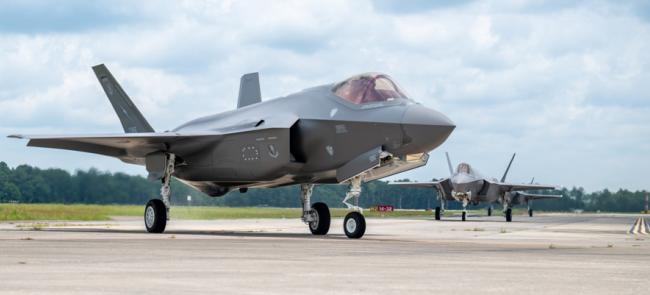
The scope of the Pentagon’s modernization plans for the F-35 Lightning II aircraft will be reduced amid ongoing cost overruns and schedule delays, according to a recent report from a congressional watchdog.
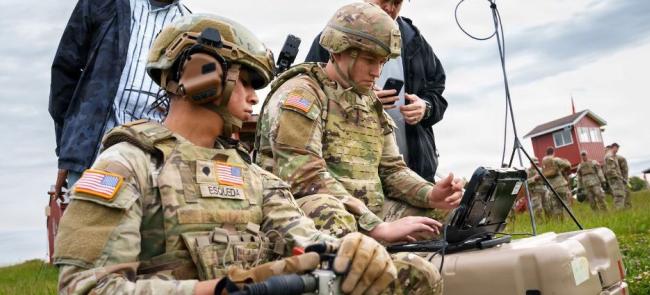
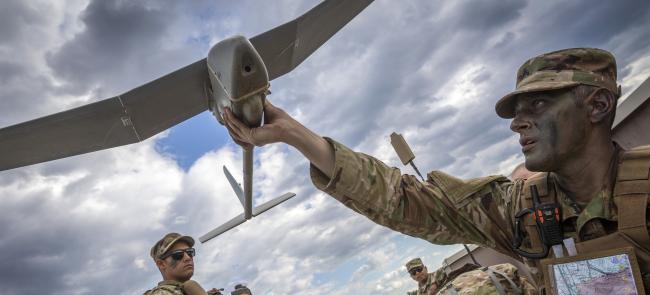
Small unmanned aircraft systems present both an opportunity and a challenge for the U.S. Army, and significant change is required to realize the opportunity.
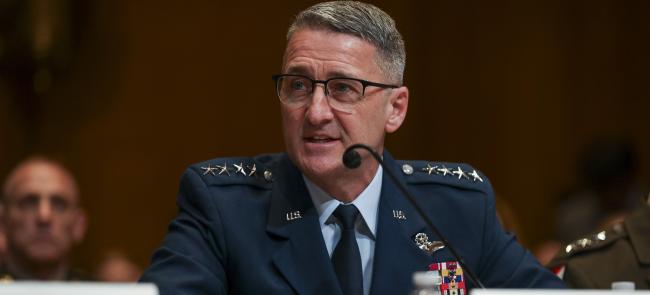
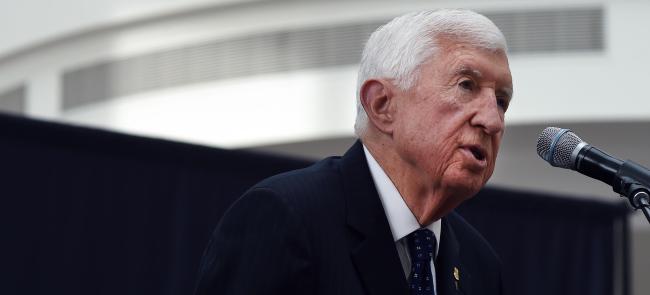
Appearing before the Senate Appropriations Committee Subcommittee on Defense, the National Guard Bureau’s senior leader emphasized the Guard’s value to America.
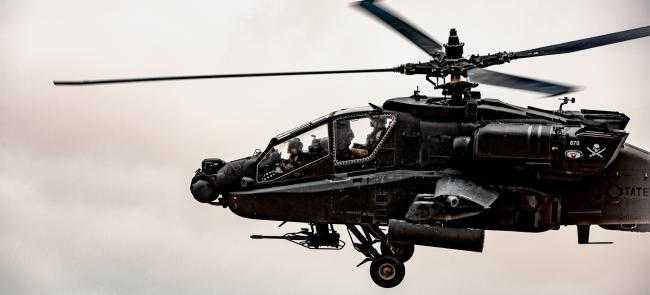
Army National Guard Divisions must have parity in aviation force design and personnel authorizations with the Active Component Army inclusive of future combat systems. The current lack of parity risks interoperability with the Active Component, threatens overmatch against our enemies, and ties the hands of commanders.
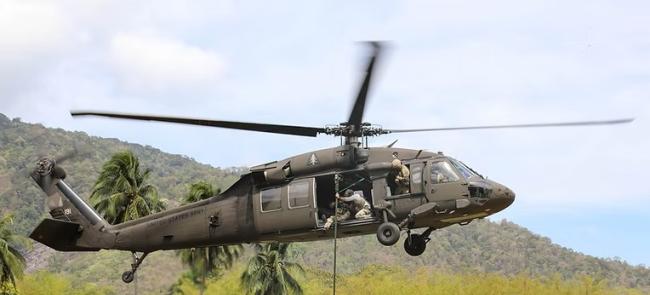
The Army National Guard operates 858 UH/HH-60 Black Hawks, with a majority, UH-60Ls, reaching or exceeding their expected useful life by 2031. Increased overseas deployments and domestic operations coupled with reductions in Army Reserve rotary wing aircraft and no modernization strategy for ARNG aircraft places immense pressure on the existing UH/HH-60 fleet.
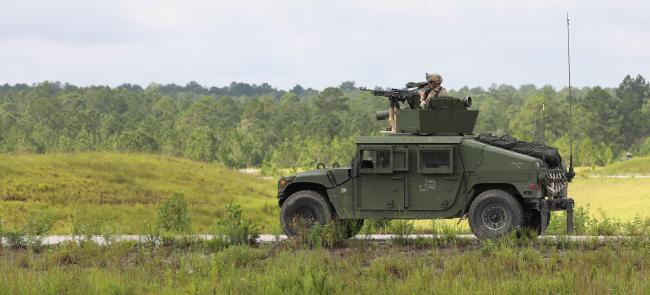
The Nation relies heavily on the ARNG's HMMWV fleet to respond to the homeland and be ready to deploy. These missions are accomplished with a fleet that averages 25 years old - beyond the expected useful life of the vehicle.
 then Add to Home Screen.