then Add to Home Screen.
Adjutants general from 22 states with Air National Guard fighter units signed a letter to Congress this month seeking multiyear funding for the Air Force to purchase between 72 and 100 new fighter jets to recapitalize the Total Air Force.
The letter went to the chairs and ranking Democrats of the House and Senate Appropriations committees and the chairs and ranking Democrats on their respective defense subcommittees.
It stressed the need to recapitalize decades-old fighters in the Air Force’s active, Guard and Reserve units with modern aircraft, “optimized for human/autonomous teaming with additive Combat Collaborative Aircraft.”
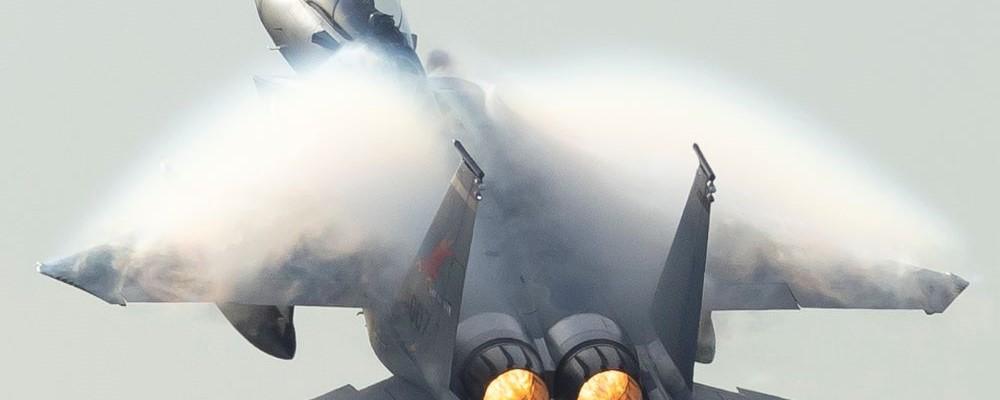
The generals are pushing the Air Force to request higher procurement numbers specifically for the F-35A Lightning IIs and F-15EX Eagle IIs (above), seeking a minimum of 72 new aircraft annually — 48 F-35s and 24 F-15EXs.
Oregon’s 142nd Wing is only unit in the Air Force currently flying the F-15EX, an upgraded version of the venerable air-supremacy fighter. Three other ANG wings are in the fielding plans.
“The United States Air Force is the oldest, the smallest, and the least ready in its 78-year history,” the letter states. “We must build a fighting force that will win.”
The letter was sent under the auspices of the Adjutants General Association of the United States. It is the first time the group collected the signatures of all 22 adjutants general who serve in states with Guard fighter units, an official said.
Even if Congress agreed to fund 100 new fighters a year and industry could produce that many, it might still take 10 to 15 years to fully modernize the entire fighter fleet, given the current backlog of legacy aircraft, the official added.
NGAUS is in unison with the adjutants general, with fighter recapitalization an association top priority for congressional deliberations on fiscal 2027 defense deliberations.
Thirteen of 24 Air Guard fighter squadrons lack a recapitalization plan commensurate with combat capability needs identified in the 2026 National Defense Strategy, according to an association fact sheet.
—By John Goheen