then Add to Home Screen.
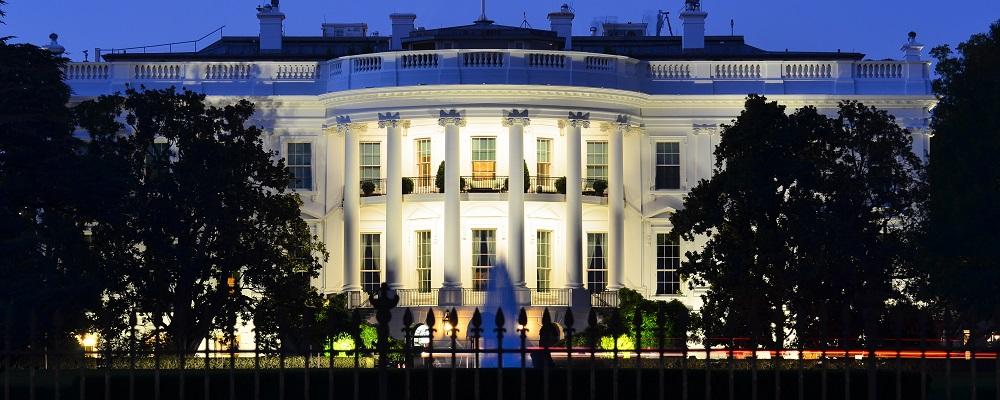
The White House released its fiscal 2027 budget blueprint Friday with a record 44% increase in defense spending.
The $1.5 trillion request for 2027 builds on the record $1 trillion for 2026 and includes a pay boost of 7% for all military personnel ranked E-5 and below, 6% for E-6 to O-3 and 5% for O-4 and above.
“This amount exceeds even the Reagan buildup by approaching the historic increases just prior to World War II, a level that recognizes the current global threat environment and restores the readiness and lethality of our forces,” states a White House fact sheet.
The fiscal 2026 budget totaled $1 trillion through a combination of $838.7 billion in the defense appropriations act and an additional $150 billion as part of the so-called One Big Beautiful Bill signed last summer.
The 2027 budget request includes $1.1 trillion in base discretionary budget authority specifically for the Pentagon.
The White House request is seeking $350 billion to be approved by Congress through the reconciliation process, which would require only a simple majority to pass the Senate.
The Navy will receive the biggest investment. The Air Force, which includes the Space Force, is allocated $101.2 billion, including funding for Golden Dome and moving forward with the F-47 sixth-generation fighter.
The Army receives a total of $60.5 billion.
The administration also plans to focus on unmanned and counter-unmanned systems, AI and “warfighter” health funding.
“By treating combat medicine as a dedicated readiness and training platform — rather than something funded with the leftovers after insurance and employment benefits — the 2027 Budget ensures medical forces are trained, equipped, and ready to deploy at the speed required to meet pacing threats,” states the budget request.
To offset the increase, the White House has proposed a 10% cut in other domestic spending programs.
The full details will be included in Budget Justification Books, or J-Books for short, from budget directors for the Army, Navy, Air Force, Marines and the Missile Defense Agency. Their release is expected to come at the end of April.
A president’s budget is a document reflecting the priorities of an administration but does not bind the hands of Congress. The Friday release is merely the start of a longer process in which congressional committees will play a significant role.
In a joint statement supporting the historic increase, the chairmen of the Senate and House Armed Services committees noted the nation “is facing the most dangerous global environment” since World War II in joint press release.
“This bold commitment provides the resources needed to rebuild American military capability and confront those challenges head-on,” said Sen. Roger Wicker, R-Miss., and Rep. Mike Rogers, R-Ala.
“There is spare capacity within industry to begin producing needed capabilities in the current fiscal year, and given the long timelines associated with producing modern weapon systems we should not wait as dangers gather,” stated Sen. Mitch McConnell, R-Ky., the chairman of the Senate Appropriations defense subcommittee.
—By Jennifer Hickey