Ahead of the start of fiscal 2027 on Oct. 1, House lawmakers passed a continuing resolution Sept. 1 to extend government funding at current levels through Dec. 11.
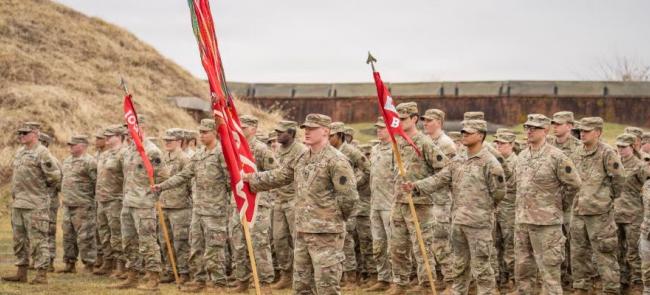
The leaders of the 116th Mobile Brigade Combat Team came to Washington, D.C., late last month to share its lessons learned as the first Army National Guard brigade to complete a Joint Readiness Training Center rotation under the Army’s new MBCT construct.
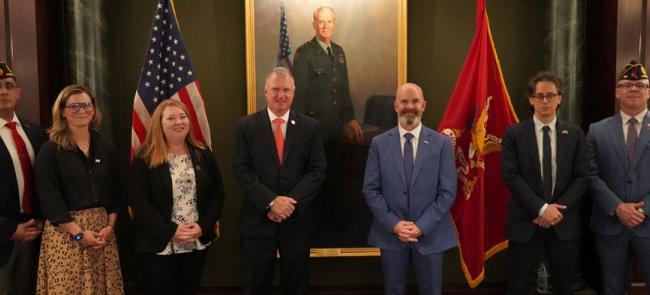
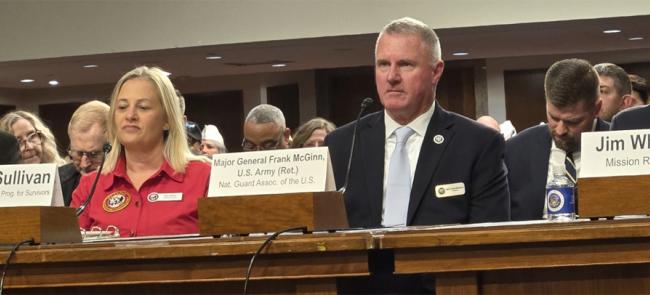
Leaders from several military and veteran service organizations are urging Congress to move quickly on legislation they say would modernize and simplify the way National Guard and Reserve members are placed on duty, paid and credited for their service.
The Global War on Terrorism Memorial Foundation last week unveiled the first renderings of the future memorial on the National Mall that will honor those who served in the conflict that began in the wake of the Sept. 11 terrorist attacks.
We issued a survey to our members to gauge their desire for the association to support a Defense Department proposal calling for the elimination of the dual-status military technician program.
North Dakota Army National Guard Capt. Chris Spangler did not know what to expect when he came to Washington, D.C., earlier this month for the first NGAUS Capitol Summit of 2026.
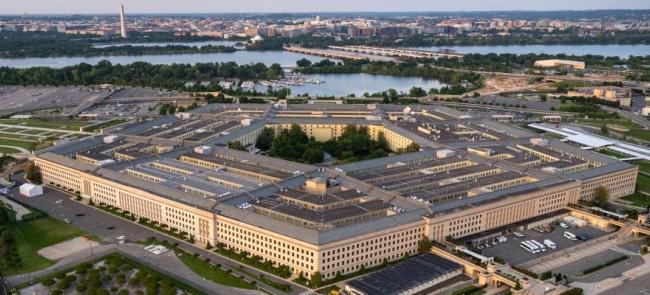
The White House will unveil the framework of its proposed $1.5 trillion fiscal 2027 defense budget request to Congress on Friday, according to multiple published reports.
The association president told lawmakers last week about the inequities National Guard Soldiers and Airmen too often face due to an obsolete duty-status system.
Senators currently face a Friday deadline to pass a $1.3 trillion package of six spending bills, including defense, and to avoid a partial government shutdown.
 then Add to Home Screen.