then Add to Home Screen.
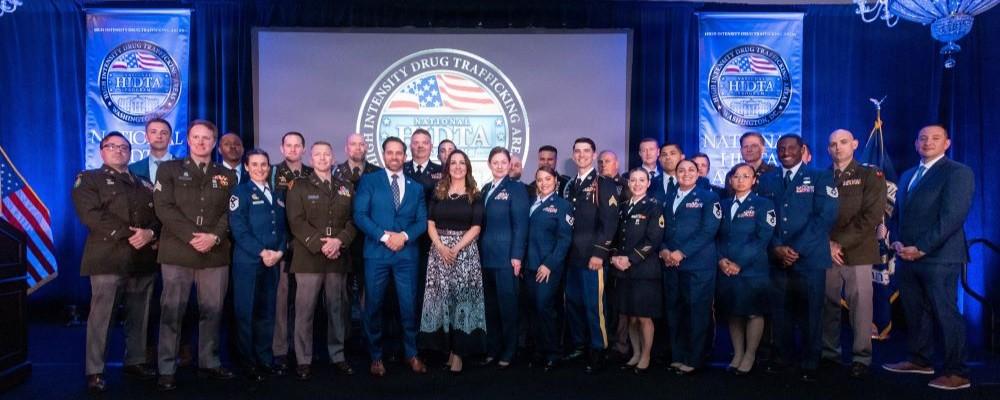
The White House Office of National Drug Control Policy recognized National Guard counterdrug programs for support to 10 award-winning law enforcement investigations during the National Drug Control Awards Ceremony on April 2.
The investigations were part of the High Intensity Drug Trafficking Area program, a White House-led effort that brings together federal, state, local and tribal law enforcement to target major drug trafficking networks across the United States.
“We’re celebrating our High Intensity Drug Trafficking Area groups and recognizing the men and women on the front lines of this fight every day, ensuring our children and our communities are safe,” said Sara Carter, the director of the White House Office of National Drug Control Policy.
Nine Guard counterdrug programs contributed to the investigations, supporting efforts to disrupt drug trafficking networks and improve public safety.
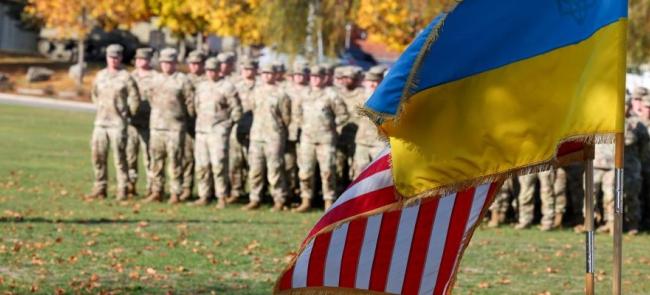
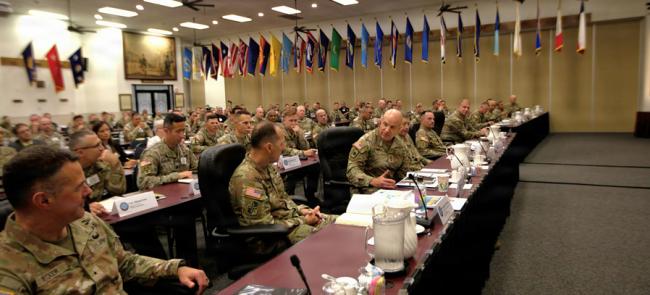
Twenty-seven Guardsmen attended the ceremony and stood alongside their law enforcement and community partners. The awards recognize outstanding law enforcement efforts to combat drug trafficking and related criminal activity across the country.
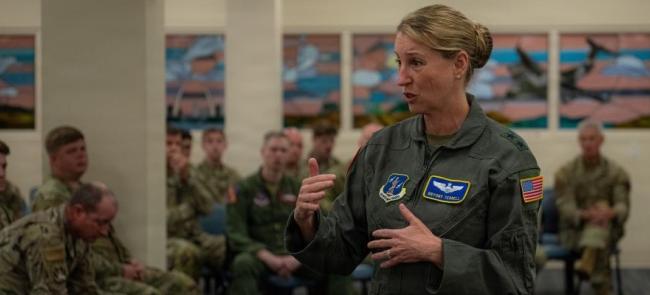
Guardsmen support these investigations by working directly with law enforcement agencies, embedded in multijurisdictional task forces. They analyze data, identify key criminal network nodes and help build cases that lead to arrests and the disruption of larger threat networks, said Air Force Col. Laurie Rodriguez, the National Guard Bureau counterdrug division chief.
The Guard Counterdrug Program provides criminal analysts, reconnaissance and strategic community engagement support to all 33 HIDTAs.
“Our Guard members act as force multipliers and provide support that enhances the integration of state, local, tribal and federal law enforcement agencies with the detection, interdiction and disruption of drug trafficking and transnational criminal organizations,” Rodriguez said.
Participating Guard counterdrug programs included Alabama, California, Connecticut, Indiana, Kentucky, New Mexico, Texas, Washington and the U.S. Virgin Islands.
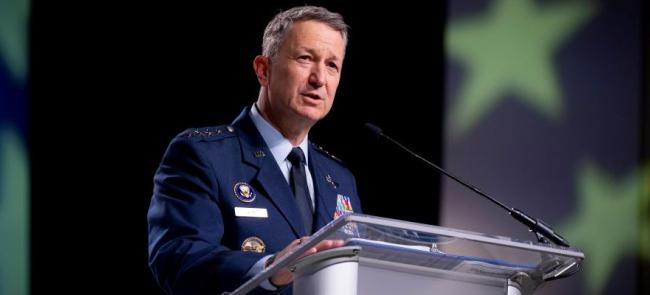
“These awards underscore the power of partnerships in the ongoing fight against drug trafficking and related crime,” said Air Force Gen. Steven S. Nordhaus, the NGB chief. “Just last year, Guard counterdrug operations helped remove $15 billion in illicit narcotics from American communities. We remain committed to this vital mission.”
The program, which operates in all 50 states, three territories and the District of Columbia, supports law enforcement agencies with analysis, training and operational coordination.
It supports military, law enforcement and community-based counterdrug operations at all levels of government to anticipate, deter and defeat these threats to enhance national security and protect our society.
NGAUS has long pushed to increase program funding to maximize its potential. Last year, the association convinced Congress to add $195 million to the president’s fiscal 2026 budget request of $110 million for personnel and equipment.
Lawmakers also added $23.6 million to the president’s fiscal 2026 budget proposal of $6.4 million for Guard counterdrug schools, which operate in Florida, Iowa, Mississippi, Pennsylvania and Washington and are open to federal, state and local law enforcement personnel.
—Reported by Sgt. 1st Class Christy Sherman,
National Guard Bureau