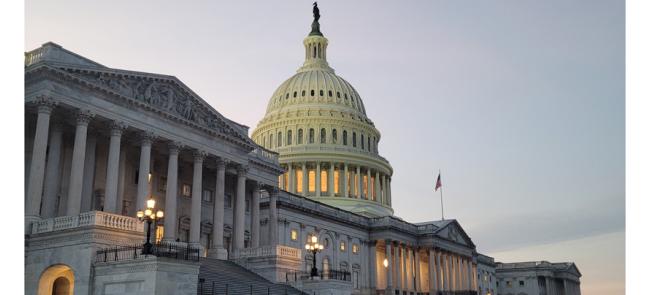
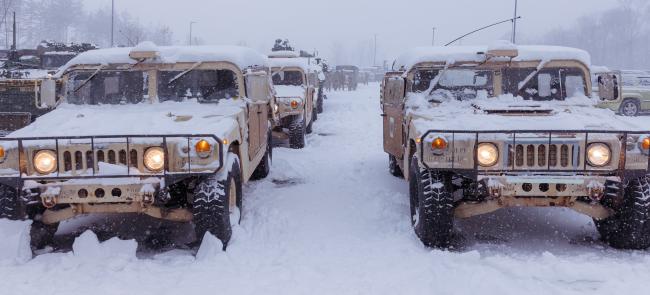
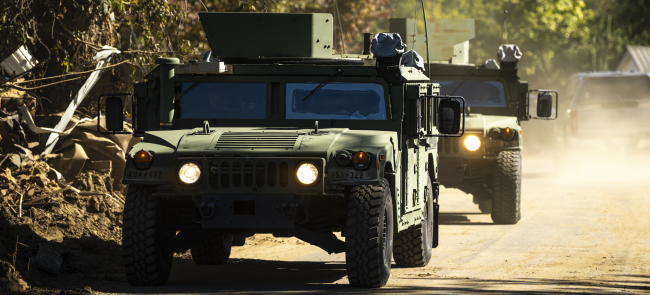
The Senate’s version of the annual defense policy bill passed with a critical provision to ensure the Guard has adequate funds needed to repair and maintain equipment used in state emergencies.
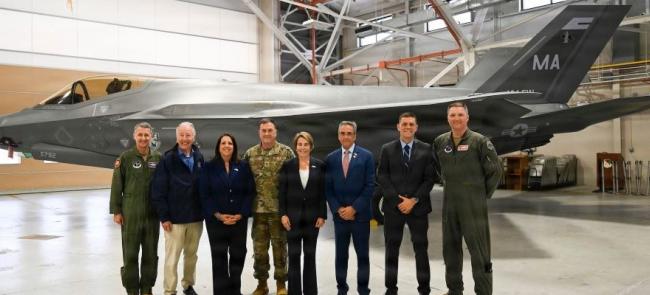
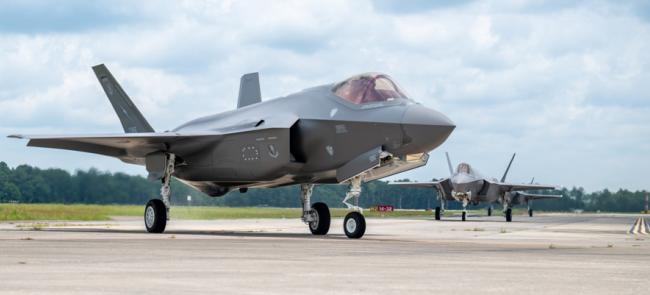
The scope of the Pentagon’s modernization plans for the F-35 Lightning II aircraft will be reduced amid ongoing cost overruns and schedule delays, according to a recent report from a congressional watchdog.
The Adjutants General Association of the United States and NGAUS have called on congressional defense leaders to include the bipartisan Guarding Readiness Resources Act in the fiscal 2026 National Defense Authorization Act.
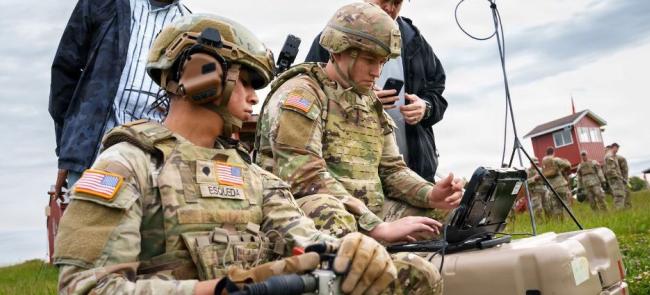
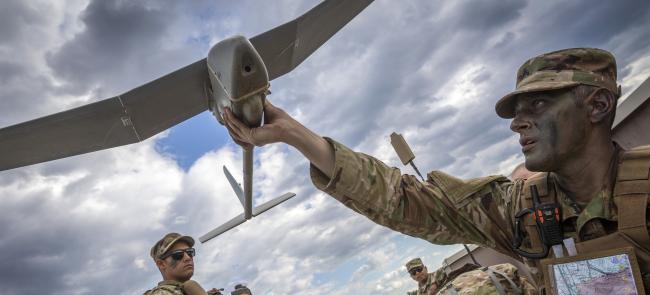
Small unmanned aircraft systems present both an opportunity and a challenge for the U.S. Army, and significant change is required to realize the opportunity.
Bipartisan legislation introduced in the House and Senate last week would direct state payments for the use of the National Guard federal equipment in state missions to the units that used the equipment.
Army National Guard Divisions must have parity in aviation force design and personnel authorizations with the Active Component Army inclusive of future combat systems. The current lack of parity risks interoperability with the Active Component, threatens overmatch against our enemies, and ties the hands of commanders.
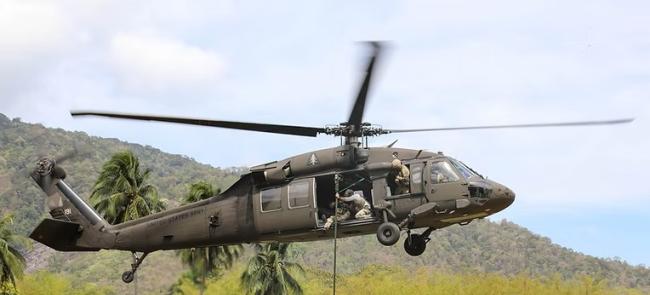
The Army National Guard operates 858 UH/HH-60 Black Hawks, with a majority, UH-60Ls, reaching or exceeding their expected useful life by 2031. Increased overseas deployments and domestic operations coupled with reductions in Army Reserve rotary wing aircraft and no modernization strategy for ARNG aircraft places immense pressure on the existing UH/HH-60 fleet.
Seven Air National Guard air refueling wings are in the running for what the Air Force is calling the KC-46A Pegasus Main Operating Base 7, the service announced Oct. 3.