then Add to Home Screen.
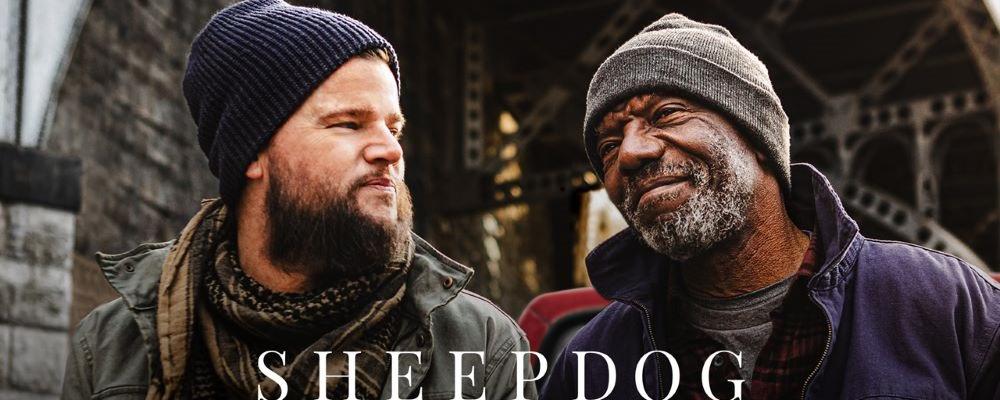
More Than a Movie
My grandfather was a Polish farmer who was a POW during World War II. For five years, he endured forced labor, starvation and torture before being liberated by American forces.
His stories of resilience shaped my understanding of service, sacrifice and freedom. They instilled in me a deep gratitude for the men and women whose willingness to stand in harm’s way made my family’s future, and my own life, possible.
Decades later, that gratitude became the driving force behind the movie Sheepdog. But it all began with a chance encounter.
In 2011, my car broke down three hours north of Los Angeles. I had just wrapped on a film in the Pacific Northwest and was 21 hours into my drive home when the engine overheated. I called AAA, and a local tow truck driver arrived with a smile and a line I’ll never forget: “Saddle up, partner. We’ve got a long ride into town.”
Sheepdog is not about PTSD. It is about post-traumatic growth.
During our drive, he shared the challenges he was facing: a tumultuous marriage, financial hardship and the responsibility of raising three children. He then opened up about his multiple combat deployments, sharing the intimate and often horrific realities of war.
He was grappling with severe post-traumatic stress and a traumatic brain injury from his last deployment, relying on countless medications to make it through each day. He often stopped himself and said, “I can’t believe I’m telling you this. I’ve never told a therapist this. I’ve never even told my wife.”
I don’t think I said more than three words. I just listened.
That experience ignited something far greater than curiosity. I felt a profound sense of responsibility to understand the invisible wounds of war and to give voice to those still fighting long after they returned home.
Over the next 15 years, I embarked on two nationwide road trips, meeting veterans from every generation, Gold Star families, military spouses and clinicians. I lived in veterans’ attics, slept on their couches, volunteered at the Detroit VA Medical Center, accompanied World War II and Vietnam veterans on Honor Flights and attended a White House event at Christmas with Gold Star families.
Through every conversation, one truth became unmistakably clear: Healing is possible, but no one should walk that road alone.
While many films have portrayed the battlefield with remarkable honesty, few explored what happens after the uniform comes off. PTS, moral injury, grief and reintegration are often fought quietly, with families carrying those burdens as well.
The title Sheepdog was inspired by Lt. Col. Dave Grossman’s description of sheep, wolves and sheepdogs from his book On Combat. Sheepdogs run toward danger to protect others. National Guardsmen embody that commitment every day, balancing service with civilian careers, families and communities.
I often say Sheepdog is not about PTSD. It is about post-traumatic growth. Trauma may become part of someone’s story, but it does not have to define its ending. With connection, purpose and community, hope can emerge from even life’s darkest chapters.
Since the film’s release earlier this year, I have received hundreds of messages from veterans, spouses, first responders, clinicians and families who said they finally felt seen. Others shared that Sheepdog gave them permission to begin conversations they had avoided for years while introducing them to the possibility of post-traumatic growth.
Many passionately believe the film belongs wherever people confront trauma and healing: VA Medical Centers, Veterans Treatment Courts, VFW and American Legion posts, hospitals, schools, recovery centers, first responder agencies and faith communities.
When we first set out to make this film, we often said, “If we can save a single life, it will be the greatest Hollywood success story.” Today, with profound humility, I can say that I have had the privilege of looking into the eyes of veterans from every generation who quietly shared, “This film saved my life.”
That is why I believe the movie’s greatest chapter is still ahead.
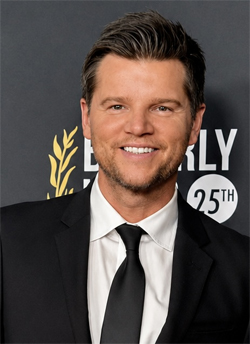 My hope is to make Sheepdog freely accessible to every veteran, service member, first responder and family who needs it. To do that, we must come together and raise the resources necessary to bring this story to the communities it was always meant to serve.
Together, we can help save lives and create a legacy of hope, healing and post-traumatic growth that will impact generations to come.
The author wrote, directed and acted in Sheepdog, which won several awards at 2025 film festivals around the world. He will be part of a Post-Traumatic Growth panel at the 148th General Conference & Exhibition, Aug. 28–31 in Indianapolis. NGAUS was among the veteran and military service organizations that signed on as an official partner to help promote the film. Visit SheepdogTheMovie.com for more information.